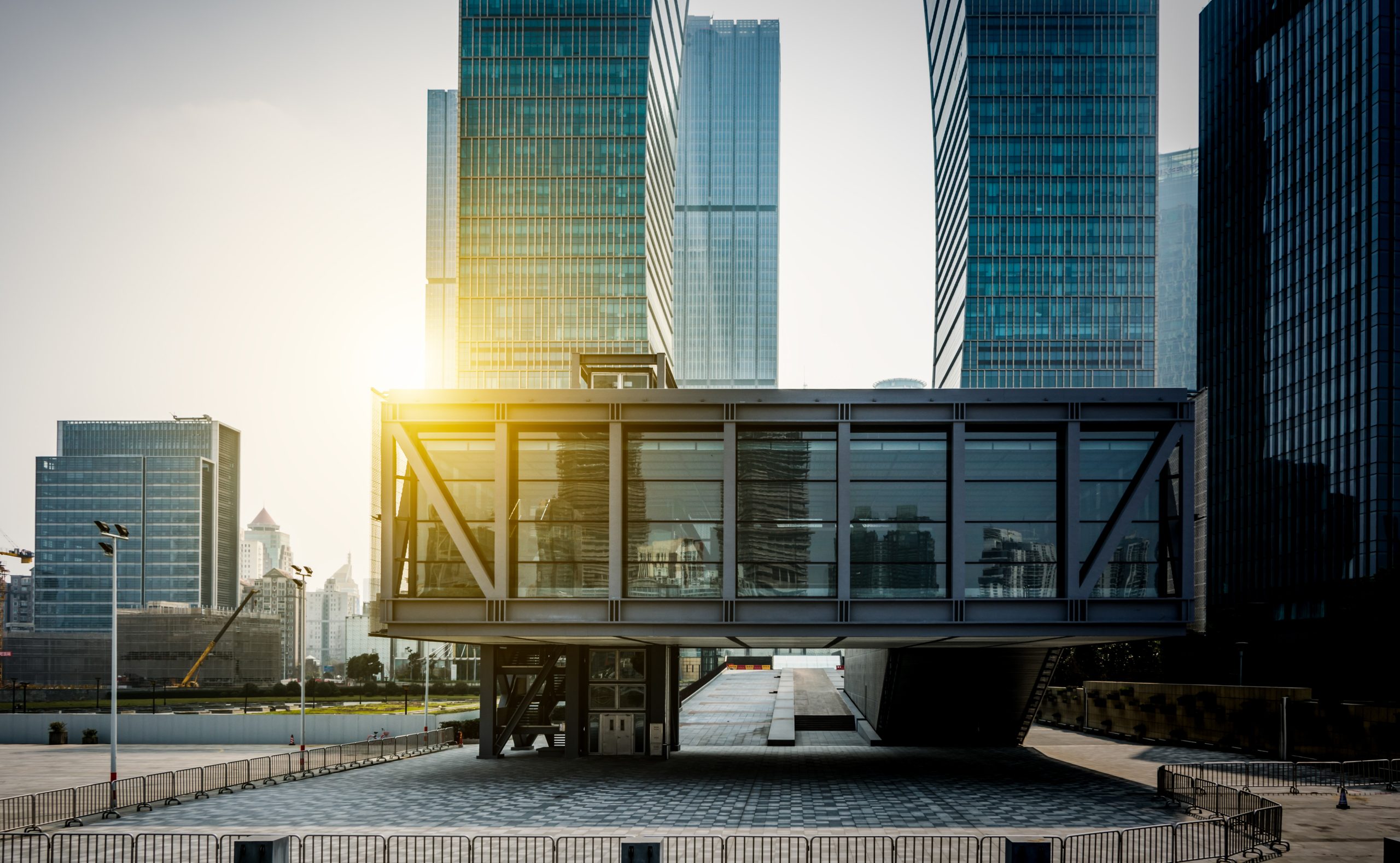
In today’s competitive business world, every detail matters including the space where you do business. Commercial architecture goes far beyond aesthetic appeal. It plays a critical role in shaping customer experiences, brand identity, operational flow, and even long-term business success.
Whether you’re designing a retail store, office space, healthcare facility, or restaurant, understanding how commercial architectures influences business outcomes can help you make smarter decisions. Let’s explore the real business impact of thoughtful, strategic commercial design.
What Is Commercial Architecture?
Commercial architecture refers to the design and construction of buildings used for business purposes. This includes everything from office buildings and hotels to retail stores and restaurants. Unlike residential architecture, which focuses on comfort and lifestyle, commercial architecture prioritizes function, branding, and customer interaction.
A skilled commercial architect blends form and function to create environments that serve the business and its users effectively.
-
First Impressions and Brand Identity
You never get a second chance to make a first impression. The exterior and interior design of a commercial building directly reflect a company’s brand identity.
How it Helps Business:
- A modern, welcoming storefront can attract foot traffic.
- High-end finishes communicate professionalism and success.
- Creative design tells a unique brand story.
Customers often judge a business based on its physical environment. The architecture sets the tone before a word is even spoken. In retail and hospitality, design is directly tied to conversion rates.
-
Enhancing Employee Productivity
Happy, healthy employees are more productive and architecture can help. Lighting, layout, acoustics, and ventilation all play a part in creating a workspace that supports focus and collaboration.
Architectural Features That Boost Performance:
- Open layouts for team collaboration.
- Quiet zones for focused tasks.
- Natural lighting to reduce fatigue and improve mood.
- Ergonomic designs that support well-being.
By investing in a functional workplace, businesses experience fewer sick days, better employee retention, and higher morale.
-
Influencing Customer Behavior
Great design doesn’t just look good it guides people. Whether it’s moving customers through a store in a way that encourages buying, or making a clinic feel safe and calming, commercial architecture has a powerful psychological effect.
Examples Include:
- Strategic lighting and color to create mood.
- Spatial flow to guide movement.
- Clear signage to reduce confusion.
- Intuitive layouts that maximize dwell time.
Restaurants, retail spaces, and showrooms that follow these principles often see improved customer satisfaction and increased sales.
-
Operational Efficiency and Cost Savings
Smart design can reduce long-term operational costs and streamline everyday business activities.
Commercial Architecture Solutions:
- Energy-efficient HVAC and lighting systems.
- Materials chosen for durability and maintenance ease.
- Functional layouts that minimize employee steps.
An efficient building design leads to smoother operations, fewer renovations, and lower utility bills all boosting your bottom line.
-
Meeting Regulatory and Accessibility Standards
An often overlooked but vital impact of commercial architecture is ensuring that buildings meet all local codes, safety requirements, and accessibility laws.
This includes:
- Fire safety compliance.
- ADA (Americans with Disabilities Act) accommodations.
- Proper egress and ventilation.
Failing to consider these elements can result in costly fines, legal action, or being forced to shut down operations.
-
Future-Proofing Your Business
The best commercial architecture plans for the future. Flexibility in design allows businesses to adapt to growth, technological change, or shifts in the market.
Forward-Thinking Features Include:
- Modular design for expansion.
- Technology integration (smart systems).
- Sustainable materials for long-term performance.
Future-proof architecture helps businesses remain relevant and competitive for years to come.
Commercial Architecture in Practice: Real-World Benefits
Here’s how smart architectural decisions have helped real businesses thrive:
- Retail Stores: Studies show well-lit, open-concept retail environments increase sales by up to 40%.
- Medical Clinics: Spaces designed to ease patient anxiety lead to higher appointment retention.
- Restaurants: Layouts that manage customer flow and kitchen proximity reduce wait times and improve reviews.
Each of these benefits comes down to intentional, expert-driven commercial architecture.
Why Work with a Professional Commercial Architect?
DIY design or working with inexperienced architects can result in inefficient layouts, costly renovations, or buildings that don’t meet code. A seasoned commercial architect brings:
- Knowledge of materials, zoning, and code compliance.
- Experience in designing for your industry.
- Strategic thinking to align design with business goals.
Partnering with a firm that understands your vision ensures that your architecture isn’t just a backdrop it becomes a strategic business asset.
Frequently Asked Questions (FAQs)
-
How does commercial architecture affect customer satisfaction?
Thoughtful design creates a seamless, enjoyable experience for customers. Comfortable spaces, clear signage, and aesthetic appeal all influence how customers feel and behave.
-
Can architecture really improve employee productivity?
Yes. Natural light, smart layouts, and comfortable furniture contribute to healthier, happier, and more productive employees.
-
Is sustainable architecture more expensive?
Initial costs may be higher, but sustainable buildings often save money in the long run due to lower utility bills and maintenance.
-
What’s the difference between commercial and residential architecture?
Commercial architecture focuses on function, traffic flow, and business branding. Residential design prioritizes comfort and personal lifestyle needs.
-
How do I choose the right commercial architect?
Look for firms with proven experience in your industry, a strong portfolio, and an understanding of your business goals. Client testimonials and case studies can help guide your choice.
Final Thoughts
Commercial architecture is more than just building design. It’s a critical business tool. From shaping customer perceptions to improving operational efficiency, smart architectural decisions have a direct impact on success.
If you’re planning a commercial space, don’t treat design as an afterthought. Work with a trusted, professional architectural firm that can turn your space into a strategic advantage.